
Introduction to Kitchen Countertop Materials
The Central Role of Countertops
Kitchen countertops play a crucial role in shaping both the design and functionality of one of the most dynamic spaces in any home. They serve as essential workspaces for meal preparation, social hubs for gatherings, and often become the visual centrepiece of the kitchen. Selecting the right countertop not only enhances the kitchen’s aesthetic appeal but also significantly improves its usability.
Exploring the Array of Materials in 2025
By 2025, homeowners have more countertop choices than ever before. The most popular materials include quartz, granite, marble, laminate, and butcher block, each offering unique advantages. Quartz is particularly popular due to its blend of style, variety, and durability. Alternatives like solid surfaces, concrete, and wood also attract homeowners looking for distinctive aesthetics or sustainable options. Trends are leaning towards warm tones and bold veining, alongside innovations such as textured finishes and integrated smart features.
Key Selection Considerations
When choosing a kitchen countertop, several factors should influence your decision:
- Durability: Some surfaces resist stains and scratches better than others, which is essential in a busy kitchen.
- Aesthetics: The colour, pattern, and finish should align with your kitchen’s overall style.
- Maintenance: Some materials require regular sealing or special cleaning, while others remain pristine with minimal effort.
- Cost: Budget considerations vary widely, from economical laminate to premium natural stone.
Thoughtfully considering these aspects ensures your countertop choice aligns with both your lifestyle and design aspirations.

Quartz: The Engineered Champion
Composition and Manufacturing
Quartz countertops are crafted from about 90-95% natural quartz particles combined with 5-10% polymer resins and pigments. The quartz is ground into various sizes to create either textured or smooth surfaces. During manufacturing, these materials are blended, moulded into slabs, pressed, and cured at high temperatures. After curing, slabs are polished for a flawless finish. Some manufacturers enhance their designs with recycled glass or metallic flecks, promoting sustainability.
Key Advantages
Quartz surfaces are incredibly durable. Their engineered nature means they resist scratches, chipping, and stains from everyday use. Being non porous, quartz prevents moisture, bacteria, and mould from penetrating, making it a safe choice for kitchen hygiene. Maintenance is straightforward: a routine clean with mild soap and water is typically all that is needed. Unlike natural stone, quartz doesn’t require sealing, positioning it as a low maintenance option.
Drawbacks to Consider
Despite their strengths, quartz countertops can be sensitive to heat. The polymer resins can be damaged by temperatures exceeding 150°C (302°F), making it crucial to use trivets under hot pans to prevent cracks, burns, or discolouration. Additionally, quartz tends to be pricier than some natural stone or laminate alternatives.

Granite: Timeless Natural Beauty
Origin and Natural Composition
Granite is an igneous rock formed deep beneath the earth’s surface through the slow crystallisation of magma over millions of years. This heavy, coarse grained stone consists mainly of quartz, feldspar, and mica, resulting in a tough, interlocking matrix. Its unique mineral composition provides impressive durability and resistance to heat, abrasion, and scratching. Granite’s hardness rates between 6 to 7 on the Mohs scale, making it robust enough to endure daily kitchen tasks.
Unique Aesthetic Appeal
The natural beauty of granite is unparalleled; each slab is unique due to varying minerals and crystal sizes. Granite colours range from white and pink to grey, black, blue, or green. You can find subtle solids, dramatic swirls, bold veins, and lively speckled patterns. Some varieties even display rare hues created by minerals like amphibole or biotite, adding distinct character to kitchen designs.
Maintenance Considerations
Although granite is durable and resistant to kitchen hazards, its porous nature means it can stain if spills are not addressed promptly. Daily cleaning is simple, but annual resealing is essential to maintain its resistance to moisture and oils. Selecting the right cleaning products and adhering to a sealing schedule is crucial for preserving both the aesthetics and performance of your granite surface.
Quartz vs Granite: The Ultimate Comparison
Durability and Longevity
Both quartz and granite provide exceptional durability. Quartz is slightly harder and more resistant to damage due to its engineered blend of natural quartz and polymer resins. It is highly resilient to chips and cracks and does not require sealing. Granite, being a natural stone, is also robust and heat tolerant, but its porous nature makes it more susceptible to stains or chipping if it is not properly sealed and maintained. With proper care, both materials can last for decades.
Maintenance Requirements
Quartz stands out for its ease of maintenance. Its non porous surface resists stains and bacteria, requiring only regular cleaning with mild detergent. Granite, on the other hand, necessitates a more hands on approach, annual resealing is recommended to protect against stains and liquids. While both materials are easy to clean, quartz’s non porosity means less ongoing effort throughout the lifespan of the countertop.
Environmental Impact
Both options come with environmental considerations. Granite’s impact is largely associated with quarrying and transportation. Although quartz is partially engineered, it often incorporates waste materials, making it a more sustainable choice for some. However, the fabrication of quartz can contribute to emissions and waste, and its mining can adversely affect local ecosystems.

Marble and Quartzite: Luxury Stone Options
Distinctive Qualities of Marble
Marble is instantly recognisable for its elegant veining and smooth, luminous finish. This natural stone has been treasured in kitchens for generations, adding an air of timeless luxury and sophistication. Marble’s gentle hues and subtle patterns work well in both classic and contemporary settings. Its cool touch is particularly beneficial for avid bakers. However, marble is softer and prone to scratches, stains, and etching from acidic foods, necessitating routine sealing and prompt cleaning of spills.
Quartzite: Durability Meets Visual Appeal
Quartzite, while visually akin to marble, offers greater durability due to its dense, hard structure. As a metamorphic rock, quartzite resists scratching and heat better than marble, making it more suitable for bustling kitchens. Its flowing veining and wide colour range resemble marble, appealing to those who desire natural beauty without compromising on performance. Regular cleaning with mild soap and periodic sealing will help keep quartzite in optimal condition.
Suitability in Kitchen Design
Both marble and quartzite serve as striking centrepieces in kitchens. Marble is often selected for calm, classical spaces or accent pieces like islands, while quartzite’s resilience makes it suitable for high traffic family kitchens as well as modern design forward spaces. Each option delivers unique character and can enhance a wide range of cabinetry styles and colour palettes.

Alternative Natural Stone Options
Overview of Soapstone, Limestone, Slate, and Bluestone
Alternative natural stones bring varied character and subtle style to modern kitchens. Soapstone is recognised for its understated elegance and soft, matte finish. Its deep grey or green tones mellow over time, fitting perfectly in rustic or classic settings. While highly resistant to stains and cracks, soapstone scratches easily due to its softer nature. Fortunately, scratches can often blend in or be buffed out, making maintenance manageable.
Limestone offers a chic, luxurious appearance with unique colours and textures. It feels naturally warm, ideal for softer, traditional themes. However, limestone is porous and must be sealed regularly to protect against stains and acids; neglecting maintenance can quickly diminish its beauty.
Slate’s fine texture and deep, subtle hues provide kitchens with a uniform, understated look. It resists stains and heat effectively, while bluestone, although less common indoors, is favoured outdoors for its acid and stain resistance, giving a sophisticated edge to worktops.
Porcelain and Sintered Stone: Modern Innovations
Introduction to Contemporary Countertop Materials
Porcelain and sintered stone have emerged as popular choices for homeowners seeking modern, high performance kitchen surfaces. Both materials are manufactured using advanced techniques. Porcelain is made from refined clay and minerals, fired at high temperatures to create a dense, non porous finish. Sintered stone forms through the compression and heating of natural minerals, resulting in slabs that mimic stone while offering superior resilience.
Advantages of Durability, Heat Resistance, and Design
These surfaces are prized for their robust performance. Both materials are non porous, making them resistant to water and stains. Everyday spills remain on the surface and can be easily wiped away, rendering both options low maintenance. They also exhibit exceptional heat resistance, hot pans and trays can typically be placed directly onto the surface without risk of damage.
In terms of durability, sintered stone has a slight advantage, offering superior scratch and chip resistance compared to most alternatives, including porcelain. However, porcelain excels in versatility, presenting a broader array of colours and patterns, including designs that closely resemble marble and other natural stones.
Budget Friendly Alternatives
Solid Surface Materials
Solid surface countertops are constructed from a blend of acrylic, polyester resins, and mineral fillers. They provide seamless installation and a non porous finish that resists stains and bacteria, making cleaning and maintenance straightforward. Solid surface materials are repairable; scratches or nicks can be easily sanded out. They come in a wide range of colours and finishes, often mimicking the appearance of stone at a lower price point, typically ranging from moderate to budget friendly.
Laminate and Concrete Options
Laminate countertops remain a popular option for budget conscious consumers. Modern laminates offer improved scratch and heat resistance, along with more realistic finishes than their predecessors. Easy to clean and available in numerous colours and textures, laminate is a practical choice. Concrete provides a customisable, industrial look at a competitive price, capable of being tinted, inlaid, or stamped with patterns. However, concrete does require sealing and may develop hairline cracks over time.
Butcher Block and Wood Countertops
Wood countertops, including butcher block, infuse warmth and a natural element into the kitchen. They are excellent for food preparation and create a comforting atmosphere. While wood requires regular sealing and oiling to prevent damage, it can be sanded and refinished to maintain its appearance. Proper care ensures longevity and enduring style.
Emerging Countertop Trends for 2025
Bold Veining and Dramatic Patterns
One of the leading trends for 2025 is the emergence of bold veining and high contrast patterns in kitchen countertops. Homeowners are gravitating towards surfaces featuring striking black or gold streaks against white backgrounds, or dramatic marble like swirls that lend an air of luxury and individuality to each kitchen. Calacatta quartz styles remain especially popular for their elegant veining and lifelike marble appearance, providing an upscale feel without sacrificing practicality.
Textured and Leathered Finishes
While glossy, polished countertops remain appealing, textured surfaces are gaining traction. Leathered and honed finishes, achieved using diamond tipped brushes, offer a matte, tactile feel. These textures soften the stone’s appearance, help conceal fingerprints, and introduce warmth and character. Although leathered finishes may be more expensive due to their custom processes, many homeowners appreciate their understated elegance and practicality for high use kitchens.
Mixed Materials and Integrated Features
Another significant trend is the shift towards mixed material countertops and integrated features. Seamless sinks, crafted from the same material as the worktop, create a unified, stylish look while maximising usable counter space. These integrations offer practical benefits, such as easier cleaning and maintenance, while supporting minimalist, clutter free kitchen designs. The rise of smart technology means features like wireless charging and touch sensitive controls are being directly integrated into countertop surfaces.
Selecting the Right Countertop for Your Lifestyle
Understanding Household Needs
Every kitchen is unique, and your countertop should align with how you live and cook. For busy families or homes with young children, durability is paramount, materials like quartz and granite provide excellent resistance to scratches, stains, and everyday wear. If you’re an enthusiastic cook, heat resistance is crucial, positioning granite and porcelain as strong contenders. For those who prefer minimal maintenance, non porous options like quartz require little cleaning effort, while natural stones like marble or butcher block need extra care and periodic sealing.
Matching Materials to Design and Colour
Your chosen material should enhance your kitchen’s overall style and colour scheme. Start by selecting two dominant hues and an accent colour, drawing tones from your countertop’s grain or veining to unify the room. Dynamic contrasts, such as pairing light cabinetry with dark countertops, create visual interest, while mixing materials, like wood and quartz, can add texture and personality. Always test samples in your kitchen’s lighting before making final decisions.
Balancing Aesthetics with Practicality
It’s essential to balance visual appeal with the surface’s daily performance. Trendy choices like marble and textured finishes may be striking, but they require a commitment to care. Budget is also an important consideration; while engineered quartz is highly durable and stylish, granite now offers competitive pricing for those seeking natural beauty.
Installation Considerations
Overview of Installation by Material
The installation process for kitchen countertops varies based on the chosen material. Quartz and granite, being heavy and dense, typically require professional installation. Specialists are responsible for measuring, cutting, delivering, and fitting the slabs, ensuring precise seams and secure mounting. Marble, quartzite, and other natural stones also necessitate careful handling and expertise not suited to DIY approaches. Porcelain and sintered stone also require precise cutting tools and experienced installers due to their hardness and the risk of cracking during fitting.
Budget friendly materials offer more options for DIY enthusiasts. Laminate and certain solid surface countertops can often be installed by skilled DIYers, with kits and step by step instructions available. Concrete countertops can also be a DIY project for those with skills in moulding and finishing, but can be ordered from specialists. Butcher block and wood surfaces are lighter, making them manageable for competent DIY installation, provided correct sealing practices are followed.
DIY vs Professional Installation
Attempting DIY installation of large or fragile materials can lead to costly mistakes and safety hazards. Professional installation may have a higher upfront cost but ensures correct levelling, joining, and support, maximising the lifespan of the material. Conversely, DIY options can reduce costs for lighter materials and provide a sense of accomplishment for hands on homeowners.
Maintenance and Care Guide
Daily Cleaning Recommendations
To keep kitchen countertops in optimal condition, proper daily cleaning is essential. For quartz and granite, use a soft cloth or sponge with mild dish soap and warm water. Avoid abrasive pads or harsh chemicals, which can dull the surface or cause damage. Always dry the surface with a clean microfibre cloth to prevent streaks and maintain shine. Clean spills immediately, particularly acidic substances like wine, coffee, or citrus, to prevent staining and discolouration. For regular disinfection of granite, a mixture of half rubbing alcohol and half water is gentle yet effective.
Long Term Maintenance Requirements
Natural stones such as granite and marble require periodic sealing, typically every one to three years. Sealing creates a barrier against stains and moisture. Quartz and laminate countertops do not require sealing due to their non porous nature. For both granite and quartz, avoid placing hot pans directly on the surface, utilise trivets or heat pads instead.
Tips for Extending Lifespan
- Use coasters under glasses and cutting boards for food preparation.
- Clean surfaces promptly after every use.
- Avoid placing excessive weight near overhangs or unsupported sections to prevent cracks.
- Schedule professional polishing or repairs when scratches or dullness appear.
With regular care and mindful use, any countertop can remain beautiful and functional for many years.

Making the Final Decision
Weighing the Pros and Cons
Selecting a kitchen countertop involves more than simply admiring swatches and finishes. Consider your family’s habits, the level of upkeep you are willing to maintain, and your overall budget. Quartz is ideal for busy households due to its resilience and low maintenance. Granite offers uniqueness and natural beauty but requires annual sealing. Marble and quartzite bring luxury at the expense of more frequent care. For budget conscious consumers, laminate and butcher block provide warmth and versatility with manageable upkeep.
Sampling and Visualisation Techniques
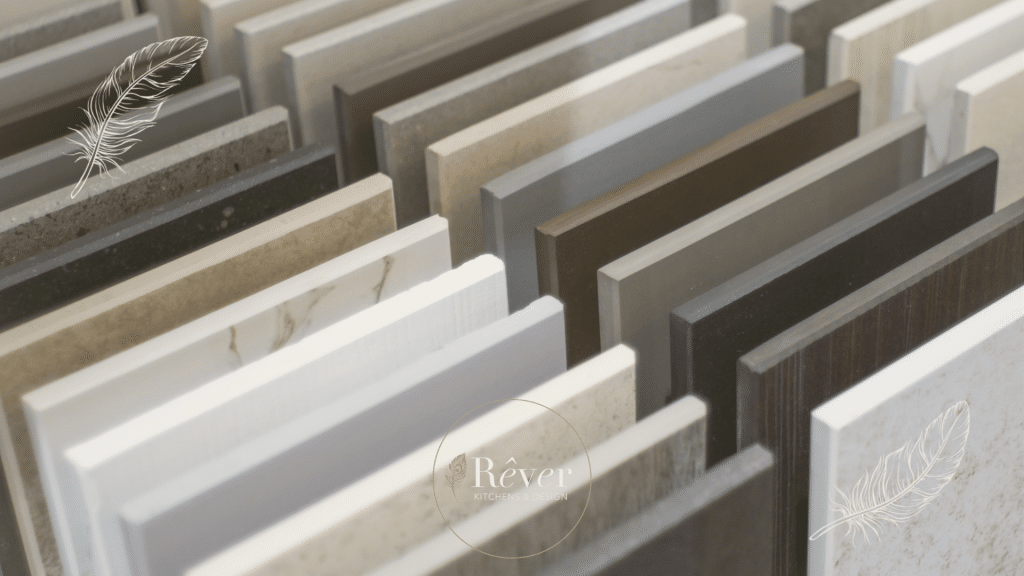
Before making a commitment, it’s wise to request material samples from suppliers. View these in your kitchen under different lighting conditions to assess colour and texture accurately. Many showrooms offer digital tools to help visualise how materials will look in your space, assisting you in determining how well the surface complements your cabinetry, flooring, and overall aesthetic.
Collaborating with Designers and Suppliers
Engage closely with professionals who can guide you through technical details and installation logistics. Suppliers can provide valuable insights into the best fit for your needs, ensuring that you select a material that aligns with your lifestyle, design preferences, and longevity requirements.
Conclusion
Choosing the perfect kitchen countertop is a significant decision that can enhance both the functionality and beauty of your home. By understanding the various materials available, considering your lifestyle needs, and collaborating with professionals, you can make a well informed choice. Whether you prefer the durability of quartz, the timeless beauty of granite, or the luxurious appeal of marble, your countertop will play a vital role in your kitchen for years to come.