
Introduction
Homeowners and interior designers are increasingly focused on creating cohesive environments that enhance visual appeal while optimising functionality. One critical aspect of this design ethos is seamless appliance integration. This approach transcends mere utility; it underpins the visual and practical harmony of our homes.
By using designs prioritising uniformity and elegance, homeowners can achieve an integrated look that elevates the overall aesthetic of their kitchens and utility areas.

The Importance of Seamless Appliance Integration
Integrating appliances seamlessly into living spaces is more than a trend; it represents a fundamental shift in how we perceive and use our homes. Seamless appliance design plays a crucial role in enhancing a space’s overall appeal. When appliances are thoughtfully integrated into cabinetry and design schemes, they eliminate visual clutter, creating a serene and sophisticated atmosphere. This approach fosters visual harmony, which can significantly boost homeowner satisfaction and the overall living experience.
Psychological Aspects of Visual Clarity
Visual clutter can lead to feelings of disorganisation and chaos in a home. Research shows that a well-organised, visually cohesive space enhances mental wellness, increases productivity, and improves the overall quality of life. For homeowners, integrated appliance designs can result in a tranquil environment that encourages relaxation and enhanced functionality.
Additionally, integrated appliances convey sophistication and modernity. As home spaces evolve—especially kitchens, which often serve as the heart of the home—the kitchen reflects the tastes and lifestyle of its inhabitants. Thus, the demand for aesthetically pleasing yet functional appliances has surged. By choosing seamless designs, homeowners signal an appreciation for high-quality design suited for modern living.
Exploring Design Options for Appliances
A wide array of design options exists for integrated kitchen solutions, making it essential to explore each choice to determine its fit for your space. We will discuss various types of appliances well-suited for seamless integration and cabinetry styles and finishes that enhance visual coherence.
Types of Appliances for Seamless Integration
- Refrigerators: Panel-ready refrigerators can blend seamlessly into cabinetry, disguising them as ordinary cabinet doors. This choice ensures that the appliance does not disrupt the overall kitchen aesthetic.
- Ovens: Built-in ovens allow for waist-high installation, creating a streamlined look and making them more accessible. They can be integrated into cabinetry for a cohesive design.
- Dishwashers: Similar to fridges, dishwashers can be fitted with panels that match surrounding cabinetry. The key is ensuring the front aligns flush with the cabinets to maintain seamlessness.
Design and Cabinetry Options
When opting for seamless integration, the choice of cabinetry style is crucial. Custom cabinetry typically provides the best results, as it can be designed to fit perfectly around appliances.
- Flat-Panel Cabinets: These cabinets lend themselves well to a minimalist aesthetic, facilitating a streamlined look that pairs nicely with modern appliances.
- Texture and Finish: Wood finishes can introduce warmth, while metal or high-gloss finishes convey a contemporary vibe. It’s essential to ensure that the finishes of both the cabinetry and the appliances complement each other.
Colours and Materials for Visual Continuity
Choosing the right colours and materials is vital for achieving visual continuity. Light colours can open up a space, while darker palettes may create a dramatic contrast that draws focus to unique appliances.
For example:
- Soft White and Light Wood Combinations: Ideal for small kitchens, these choices can help create an airy feel.
- Dark Cabinets with Steel Appliances: This combination often produces a strikingly modern and sophisticated look.
Current Trends in Appliance Design
Understanding current trends in appliance design is vital for homeowners and interior designers aiming for seamless integration. As technology and aesthetics evolve, appliances are becoming more multifunctional and visually appealing.
Innovative Functionalities
Emerging technologies are changing the landscape of kitchen appliances. Features like smart technology and energy efficiency are now commonplace. Appliances may include:
- Steam Ovens: These not only save space but also open up new avenues for healthier cooking.
- Built-in Coffee Makers: For coffee enthusiasts, a built-in coffee maker creates a streamlined look while offering convenience.
- High-Performance Cooktops: Induction cooktops embedded within the countertop provide a clean, unobtrusive workspace.
Eco-Friendly Solutions
Sustainability is increasingly vital in modern appliance design. Eco-friendly appliances, from energy-efficient dishwashers to sustainably manufactured refrigerator options, do not sacrifice aesthetic appeal. In fact, their designs often lend themselves particularly well to seamless integration within eco-conscious homes.
Aesthetic Compatibility
As homeowners become more environmentally aware, the aesthetic design of eco-friendly appliances grows essential. Manufacturers now prioritise sleek designs that fit seamlessly into existing setups, often offering colour options that blend with cabinetry finishes.
Balancing Functionality with Aesthetics
While achieving a visually integrated kitchen is crucial, the functionality of appliances should not be overlooked. Balancing aesthetics and functionality presents a complex challenge but can yield fantastic results.
Accessibility and Ergonomic Placement
Strategically placing appliances improves accessibility. Key aspects to consider include:
- Height and Reach: Ovens and microwaves should be installed at comfortable heights to reduce the need for bending or stretching.
- Workflow Considerations: Keeping appliances close to prep areas minimises movement and chaos, aligning well with the integrated design ethos.
Energy Efficiency and Space Optimisation
Energy-efficient appliances not only save on utility bills but often feature smarter designs, helping maintain a streamlined, integrated look. Space optimisation should intersect with aesthetics; for instance, drawer-style dishwashers can free up counter space while ensuring appliances remain visually unobtrusive.
Product Functionality and Storage Solutions
Choosing appliances with multifunction features reduces the number of units in the kitchen, effectively minimising visual clutter. For instance, a slow cooker that doubles as a coffee maker eliminates the need for separate appliances.
Case Studies of Successful Integrated Appliance Designs
Instead of solely factual case studies, let’s explore hypothetical successful projects that illustrate the principles of seamless appliance integration across various settings.
Family-Centric Kitchen Design
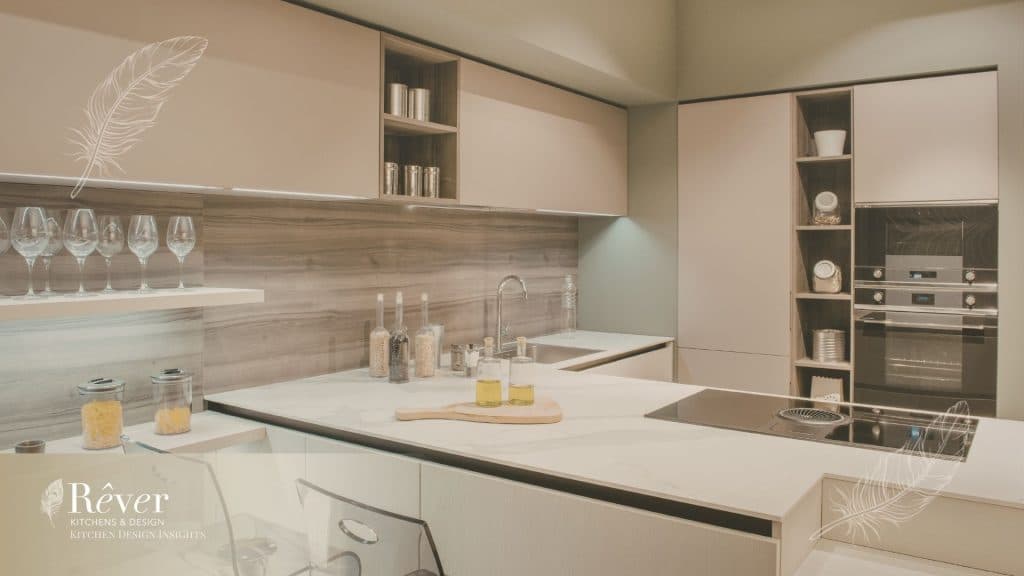
Imagine a family kitchen centred around a large island featuring an integrated induction cooktop. The cabinetry, made from a combination of soft grey wood and polished steel finishes, reflects light beautifully and facilitates easy cleaning. A built-in oven at eye level serves as both a functional unit and a design statement. Large drawers below the cooktop provide ample storage without compromising aesthetics, making it an ideal solution for busy families.
Culinary-Focused Layout
Picture a chef’s kitchen designed for functionality and ease of use. Here, high-performance appliances—including a six-burner gas stove and a professional oven—are seamlessly integrated within custom cabinetry, providing both a stylish and practical workspace. The clever placement of appliances allows for smooth transitions while cooking, ensuring that aesthetics do not detract from operational efficiency.
Minimalist Modern Kitchen
In a minimalist kitchen design, every element speaks to simplicity and elegance. A panel-ready refrigerator is camouflaged using matching cabinetry, while open shelving displays beautifully crafted tableware. The absence of visible appliances keeps the space clean, focused, and visually appealing. This approach illustrates how simplicity can lead to sophistication and reinforces the importance of seamless appliance integration.
Conclusion
In summary, achieving seamless appliance integration is essential for homeowners and interior designers seeking to create cohesive and visually pleasing environments. As we’ve explored, this approach’s significance extends beyond mere aesthetics; it enhances functionality and transforms living experiences. By understanding various design options, current trends, and the balance between functionality and aesthetics, readers can appreciate the profound impact of integrated kitchen designs.
As you envision your ideal living space, consider how the thoughtful integration of your appliances can transform your home, leading to improved satisfaction and functionality, all while reflecting your unique lifestyle and preferences. Engage with your design choices holistically, allowing every element to contribute to a beautifully coherent aesthetic.