
Introduction to Under-Cabinet Lighting
Defining Under-Cabinet Lighting
Under-cabinet lighting refers to light fixtures installed beneath kitchen cabinets or shelves, providing focused illumination directly onto work surfaces. This type of lighting addresses the common issue of overhead lights casting shadows where tasks like food preparation occur, ensuring that counters and worktops are brightly lit and easy to use.
Purpose in Modern Kitchens
The primary purpose of under-cabinet lighting is to deliver enhanced visibility and comfort during everyday kitchen tasks. By illuminating key areas, such as countertops and sinks, users can chop, cook, and clean with reduced strain and improved safety. Moreover, this layer of lighting doubles as subtle night lighting, making navigation at night easier without the need for harsh overhead lights.
Key Benefits
Multiple advantages arise from installing under-cabinet lighting. The greatest benefit is improved task lighting, which reduces shadows and supports precise work such as cutting or reading recipes. Additionally, these lights enhance the kitchen’s ambiance by creating a warm, welcoming environment—adding visual interest and comfort to the space. From a property perspective, an upgraded lighting scheme often increases home value, as buyers are drawn to well-lit, modern kitchens.
Transforming Functionality and Aesthetics
Under-cabinet lighting transforms kitchen spaces by balancing functionality with design. It eliminates unwanted dark spots and shadows on preparation surfaces, making daily routines safer and more efficient. Simultaneously, it elevates the kitchen’s look, serving as a design feature that can highlight splashbacks or countertops and cater to evolving trends in modern home layouts.

Types of Under-Cabinet Lighting Solutions
LED Strip Lights and Tape Lights
LED strip lights, often called tape lights, are a popular option for illuminating spaces beneath cabinets. Their main strengths are flexibility and adaptability. The slim design makes them easy to install almost anywhere, even in tight or irregular spaces. Most have an adhesive backing, so they stick securely to cabinet undersides without tools or brackets. LEDs in these strips offer consistent, bright light while using very little power, making them an energy-efficient choice for everyday kitchen use.
Because of their low heat output, LED strips are safe for use above worktops and inside cupboards, with no risk to surrounding surfaces. They create a continuous line of light, effectively eliminating shadows and enhancing the overall workspace.
Puck Lights
Puck lights are small, circular fixtures that deliver a focused beam of light. This spotlight effect makes them ideal for highlighting specific areas, such as decorative shelves or sections of the kitchen where more concentrated lighting is needed. Puck lights can be installed on the surface or recessed into cabinets, blending seamlessly with the kitchen’s design. Their directional light enhances both functionality and aesthetics, offering an elegant solution for accent or task lighting.
Light Bars
Light bars provide broad, uniform illumination and are suitable for longer work surfaces. Their linear construction reduces the risk of dark spots or shadows between fixtures. Many light bars can be linked together to create seamless coverage, and they often come in various lengths to match different cabinet sizes. Their installation can be done by screwing or clipping them under the cabinets, offering a clean, built-in appearance.
Each lighting type offers distinct advantages, allowing homeowners to tailor their under-cabinet lighting to best suit function, style, and layout.
Installation Options and Considerations
Comparing Hardwired, Plug-In, and Battery-Operated Solutions
There are three main installation methods for under-cabinet lighting: hardwired, plug-in, and battery-operated. Hardwired lighting offers a permanent, streamlined look without exposed cords. It allows for easy control via wall switches and dimmers, creating an elegant atmosphere in the kitchen. Although hardwired systems tend to require an electrician for setup, they are often more energy efficient and provide long-term reliability.
Plug-in lights present a convenient option for those not wanting to commit to permanent wiring. They offer instant installation without the need for professional help and work well in rental properties. However, the presence of visible cords may impact the kitchen’s appearance.
Battery-operated lights are the most flexible and DIY-friendly. These are perfect where wiring is impractical, as they can be installed anywhere. However, they require periodic battery replacements which adds to maintenance needs and cost over time.
DIY-Friendly Installation Methods
For homeowners seeking fast results, plug-in and battery-operated solutions are very accessible. Installation can be as simple as peeling adhesive backing and sticking the light in place or using supplied clips. Many products require no tools, making the upgrade achievable in minutes.
Mounting Techniques
There are multiple mounting options to suit various cabinet materials and user preferences:
- Adhesive strips provide tool-free and damage-free installation.
- Clips allow for secure placement and easy repositioning.
- Screws offer a permanent, stable solution, important for heavier light bars.
- Magnetic attachments can be used for metal surfaces or where a temporary, repositionable setup is ideal.
Optimal choice depends on the chosen lighting product, cabinet material, and long-term intent for the kitchen. This flexibility allows homeowners to select a solution that blends convenience and permanence.

Choosing the Right Light Technology
LED Advantages for Under-Cabinet Use
LED technology stands out as the leading choice for under-cabinet lighting. LEDs are highly energy efficient, using about 80% less power than traditional incandescent options, and approximately 75% less than xenon bulbs. This results in lower electricity bills and a reduced environmental impact. In terms of longevity, LED fixtures can last up to 25,000 hours, requiring less frequent replacements compared to other light sources. Another important benefit is safety: LEDs emit very little heat. This feature reduces risks associated with burns or heat damage to cabinetry, making kitchens safer spaces for daily activity.
Comparing LED to Xenon Lighting
When evaluating light quality and cost-effectiveness, LEDs are preferable. They offer a brighter, whiter light, improving visibility on worktops and making details stand out. In contrast, xenon alternatives tend to have shorter lifespans and generate more heat, which can result in higher running costs and a greater risk of accidental burns. Over time, LEDs prove more affordable due to their lower energy consumption and infrequent need for replacement parts.
Enhancing Functionality with Smart Options
Advances in lighting technology introduce new levels of control and convenience. Many LED under-cabinet systems are now compatible with smart home integration. Features may include remote controls, adjustable brightness, and colour temperature selection. Some models work seamlessly with platforms like Apple Home, Amazon Alexa, or Google Home, allowing users to manage kitchen lighting through voice commands or automation. Dimmer functions further help set just the right light for cooking or entertaining, enhancing both practicality and atmosphere in the kitchen.
Colour Temperature Selection
Understanding the Kelvin Scale
Colour temperature is measured in Kelvin (K) and describes how warm or cool the light appears. Lower values (2700K-3000K) emit a soft, yellowish glow known as warm white. Middle-range values (3500K-4000K) provide a neutral white light, balancing both warmth and crispness. Higher Kelvin ratings (4000K-5000K) deliver a cool white or almost bluish light, resembling daylight and appearing brighter and sharper in the kitchen environment.
Kitchen-Specific Recommendations
For modern kitchens, a colour temperature between 3000K and 4000K is most often recommended. This neutral white range ensures there is enough warmth to keep the space feeling inviting, while still providing adequate brightness for tasks like food preparation. Lights in this range offer a clear view of colours and textures on countertops and make detail-oriented work much easier.
Factors That Influence Colour Selection
Choosing the right temperature goes beyond personal preference. Consider these points:
- Cabinet Style: Traditional wood or rustic cabinets benefit from warmer tones (2700-3000K), enhancing their richness and creating a homely atmosphere. Sleek, modern cabinetry often looks best under neutral or cool white lighting (3500-4000K), which highlights clean lines and emphasises a fresh look.
- Countertop Material: Light or reflective countertops can amplify both cool and warm tones, while darker surfaces may require cooler light for better visibility and to prevent the space from appearing dim.
- Overall Kitchen Design: The size, natural light, and intended ambiance should shape your choice. Kitchens with more natural daylight can handle cooler artificial lighting, while dim or north-facing rooms might feel more balanced with neutral whites.
Selecting the right colour temperature supports both the functionality and appearance of your kitchen, making daily tasks easier and keeping the room visually coherent.

Top Under-Cabinet Lighting Products for 2025
Best Overall Solutions
For 2025, the Litever Under-Cabinet Lighting Kit is highly regarded for its brightness, modular design, and ease of installation. It features adjustable brightness and a slim profile, making it suitable for most modern kitchens. Users appreciate its reliable performance and versatility, which allow it to fit seamlessly under various types of cabinetry. The Philips Hue Lightstrip Starter Kit is another top contender, known for its smart home integration. This kit offers app-based control and the flexibility to adjust both colour temperature and brightness, creating tailored lighting for any occasion.
Budget-Friendly Alternatives
For those mindful of cost, the WOBANE Under-Cabinet Lighting Kit provides excellent value. It consists of flexible LED strips that are easy to install using adhesive backing, with remote dimming functionality. Many users highlight its affordability and high output compared to similarly priced products. The Brilliant Evolution lighting systems specialise in battery-powered puck lights, ideal for renters or anyone seeking a straightforward DIY solution. These lights perform well for short- or medium-term use, offering consistent brightness without complicated setup.
Specialty Options
Recent trends include the rise of battery-powered, rechargeable, and motion-activated lights. Popular models like the Alivation 2025 Upgraded LED feature a rechargeable 4500mAh battery, adjustable brightness, and a motion sensor. These lights mount easily using magnets or adhesive, providing extra convenience when wiring is not practical. While some users note variability in sensor performance, many find the brightness and charge duration suitable for their routine needs.
Design Tips for Modern Kitchen Applications
Strategic Placement to Eliminate Shadows
Thoughtful positioning is crucial for achieving effective under-cabinet lighting. Install fixtures towards the front edge of cabinets rather than deep within the recess. This approach ensures the light falls onto worktops, eliminating shadows cast by cabinets and users. Even a slight misplacement can create unwanted dark zones, which reduces the practicality of task lighting in food preparation areas.
Highlighting and Enhancing Features
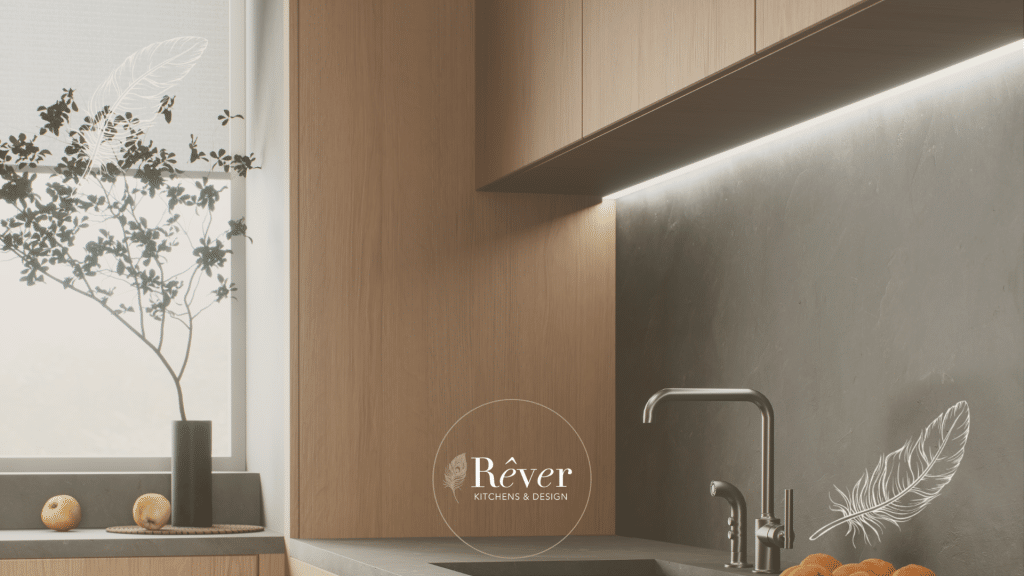
Enhance kitchen aesthetics by directing under-cabinet lighting to showcase materials and colours. Continuous LED strips along backsplashes can accentuate tile textures and subtle finishes. For stone or high-gloss countertops, lighting highlights natural reflections and draws attention to quality surfaces. Strategic lighting also makes it easier to read recipes or spot spills, supporting both safety and style.
Layering with Other Lighting Sources
Combining under-cabinet lighting with ambient or pendant lights creates depth and balance in kitchen design. This layering approach minimises harsh contrasts and ensures all corners are well-lit. Use dimmable under-cabinet fixtures to adjust brightness as needed for different tasks or to create a relaxed atmosphere during evenings.
Creative Applications
Under-cabinet lighting can be adapted for glass-front cabinets, giving special crockery and glassware a gentle glow. Fixing lights in toe kicks can guide movement at night, adding a subtle safety feature. For wall-mounted shelving or floating units, discrete strip lights enhance both visibility and contemporary design, making displays more inviting.
Installation and Maintenance Guide
Step-by-Step Installation
The installation of under-cabinet lighting varies depending on the type you choose. For LED strip lights, clean and dry the cabinet underside thoroughly. Position the strip close to the front edge for the best task lighting. Peel off the adhesive backing and press firmly for secure placement. Plug in or connect to power as specified by the product instructions.
For puck lights, mount each unit towards the front underside of the cabinet. Use screws or double-sided tape, following the manufacturer’s guidance. These lights are ideal for spotlighting small areas or display shelves.
Light bars should also be installed near the cabinet’s front edge. Secure them using included clips or screws, ensuring even spacing for continuous light.
Troubleshooting Common Issues
Flickering lights may signal loose connections or voltage fluctuations. Check that all wires are securely fastened and inspect for frayed or improperly connected wires. Replace faulty bulbs or strips as needed. If flickering persists, examine the circuit for loose hot wire terminations or incompatible components.
For uneven lighting, reposition strips or add extra units for full surface coverage. Connectivity problems are often solved by checking that plugs and connectors are properly attached and undamaged.
Cleaning and Maintenance
Maintain your lighting by dusting regularly with a dry, soft cloth to prevent buildup. Clean using a mild detergent and water on a damp cloth, avoiding harsh chemicals. Periodically check connections and replace bulbs or fixtures when brightness fades. This routine care extends the lifespan and reliability of your under-cabinet lighting.
Energy Efficiency and Considerations
Evaluating Upfront Costs and Long-Term Savings
When upgrading kitchen lighting, it’s important to weigh the initial investment against future savings. LED under-cabinet lighting typically costs more upfront than traditional incandescent or fluorescent options. However, LEDs consume much less energy—using as little as 10 watts to deliver the brightness of a 60-watt incandescent. This efficiency results in significantly lower household electricity bills over time. Furthermore, LEDs last much longer, with many rated for up to 25,000 hours. This reduces both maintenance and replacement expenses, making the higher initial cost worthwhile in the long run.
Energy-Saving Features for Smart Use
Modern under-cabinet LED lights offer a range of features designed to maximise efficiency. Dimming options allow users to adjust light levels, so energy is not wasted when full brightness is unnecessary. Timer functions ensure lights operate only during set periods, preventing unnecessary use. Motion sensors turn lights on when movement is detected and switch off automatically after a period of inactivity. These functions help lower power consumption further and support responsible energy management.
The Environmental Impact
Switching to energy-efficient LED lighting reduces a household’s carbon footprint. LED lights produce less heat than older bulb types, which can also contribute to lower cooling costs in kitchens. This combination of energy savings and reduced cooling demand benefits both your finances and the environment.
Beyond the Kitchen: Expanding Under-Cabinet Lighting
Versatile Applications in the Home
Under-cabinet lighting is not limited to kitchens. Its ability to offer accent, task, and ambient illumination makes it suitable for many spaces. In bathrooms, slim LED strips or puck lights under cabinets and mirrors provide additional brightness for personal grooming. Home offices benefit from under-desk or shelf lighting, reducing eye strain and creating a focused atmosphere. Laundry rooms often have dim or awkward lighting; under-cabinet solutions brighten up work areas, helping with sorting and folding. Entertainment centres see improved readability and aesthetics, with lights installed beneath shelves or inside display units for added drama and clarity.
Specialty Uses: RVs, Campers, and Outdoor Spaces
Modern RVs and campers often feature compact kitchens and workspaces. Adding LED strip lights or motion-activated bars enhances both functionality and comfort. In outdoor kitchens, especially in RVs, under-cabinet lights support food preparation after sunset without adding heat or draining power supplies, an important benefit during summer use or group gatherings.
Achieving Cohesive Design Across Spaces
Maintaining a harmonious lighting style throughout the home creates visual continuity, particularly in open-plan living areas. To achieve this, repeat design elements like finish, materials, or light temperature. Coordinating under-cabinet lighting in different rooms—such as pairing matte hardware with warm white LEDs—reinforces a unified theme and avoids clashing visual cues.
Conclusion: Making the Right Choice for Your Kitchen
Key Factors When Deciding
Selecting under-cabinet lighting for your kitchen involves weighing several vital considerations. Begin with the type of lighting. LED options are the most energy-efficient, cost-effective over time, and emit minimal heat. They are also available in various formats to fit nearly any kitchen need, whether you prefer strip lights for continuous coverage, puck lights for targeted beams, or light bars for seamless illumination.
Installation method is another essential concern. Hardwired lights create a permanent, streamlined look. Plug-in solutions are easier for DIY installation, while battery-operated units offer maximum flexibility. Each choice will affect both the functionality and the permanence of your lighting setup.
Colour temperature impacts both tasks and environment. Warm whites (2700–3000K) bring ambience, while neutral or cool whites (up to 4000K) are rated highly for practical task lighting. For most kitchens, a range of 3000K to 4000K strikes a balance between visual comfort and functionality.
Budget matters as well, not just for initial purchase but for ongoing energy use and maintenance. LED lights may cost more upfront but offer notable savings thanks to their longevity and low running costs.
Achieving the Right Balance
A successful kitchen lighting scheme blends effective task illumination with appealing aesthetics. Layering under-cabinet lighting with other sources allows for zones tailored to cooking, dining, or relaxing. Proper positioning will help showcase your cabinetry and minimise shadows, creating a kitchen space that is both beautiful and practical.